
Some moments quietly alter the course of history. On 24 May 1976, one of those moments unfolded over two flights of wine in a dining room at the InterContinental Hotel in Paris.
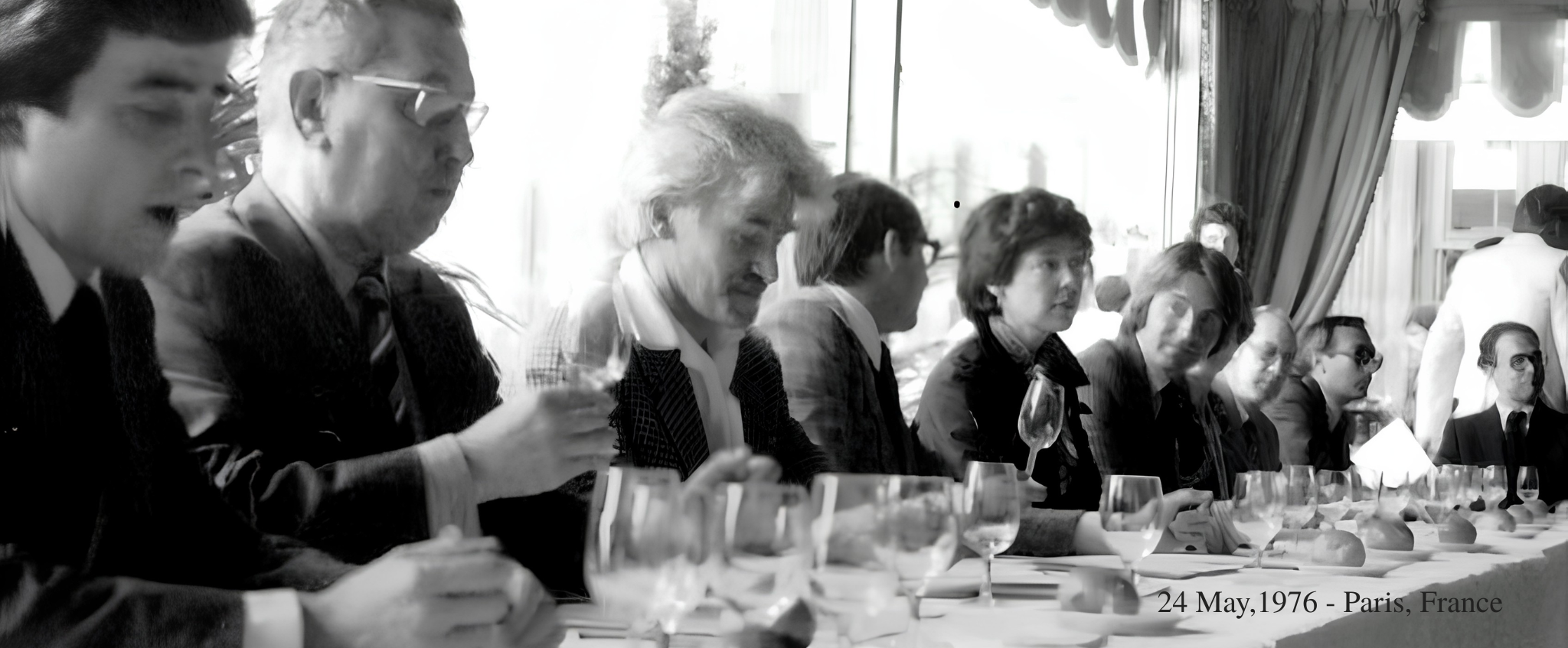
Steven Spurrier, a British wine merchant living in Paris, organized a modest blind tasting to mark the American Bicentennial. French wines from Burgundy and Bordeaux – the unquestioned pinnacle of the wine world at the time – were pitted against a selection of California upstarts. The nine judges were among France’s finest tasters: sommeliers, critics, and restaurateurs who had devoted their lives to French wine. Nobody expected what happened next.
California won both flights. The 1973 Stag’s Leap Wine Cellars Cabernet Sauvignon outscored Châteaux Mouton Rothschild and Haut-Brion. Château Montelena’s Chardonnay bested the finest white Burgundies. The scores were tallied, the room fell quiet, and the world of wine was never quite the same again.
The tasting became known as the Judgement of Paris, immortalized in books and a Hollywood film, and its legacy reaches far beyond California. What it truly announced to the world was something both simple and enduring: that exceptional wine can come from anywhere, and that the only honest judge of what is in a glass is the wine itself.
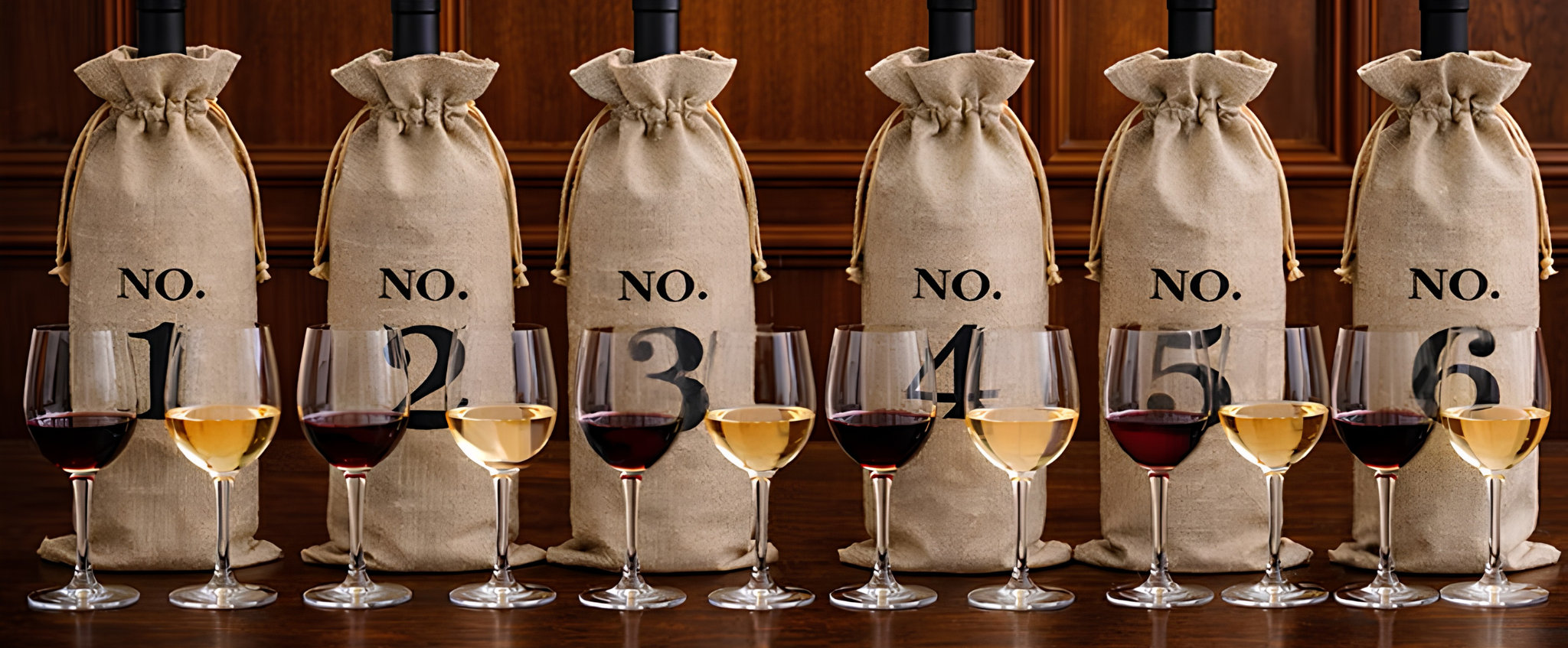
Judgement +50: The World Tastes Again
This year on 24 May, the 50th anniversary of that historic afternoon, the International Wine and Food Society (IWFS), the world’s largest gastronomic organization, founded in 1933, organized what may well be the largest coordinated blind tasting ever attempted.
Across eight venues on three continents and 12,000 miles, 221 members gathered to taste the same two flights simultaneously, scoring blind on the same 20-point scale Spurrier used half a century ago. Bella Spurrier, wife of the late Steven Spurrier, participated in the flagship London event.
The event was not a simple re-run of 1976. Rather than pitting France against California alone, the wines were selected by Masters of Wine to reflect the wine world as it truly stands today: a genuinely global community of quality. Two flights were assembled. Six Chardonnays and six Bordeaux-style red blends, drawn from France, the United States, New Zealand, Chile, Australia, Argentina, and South Africa.
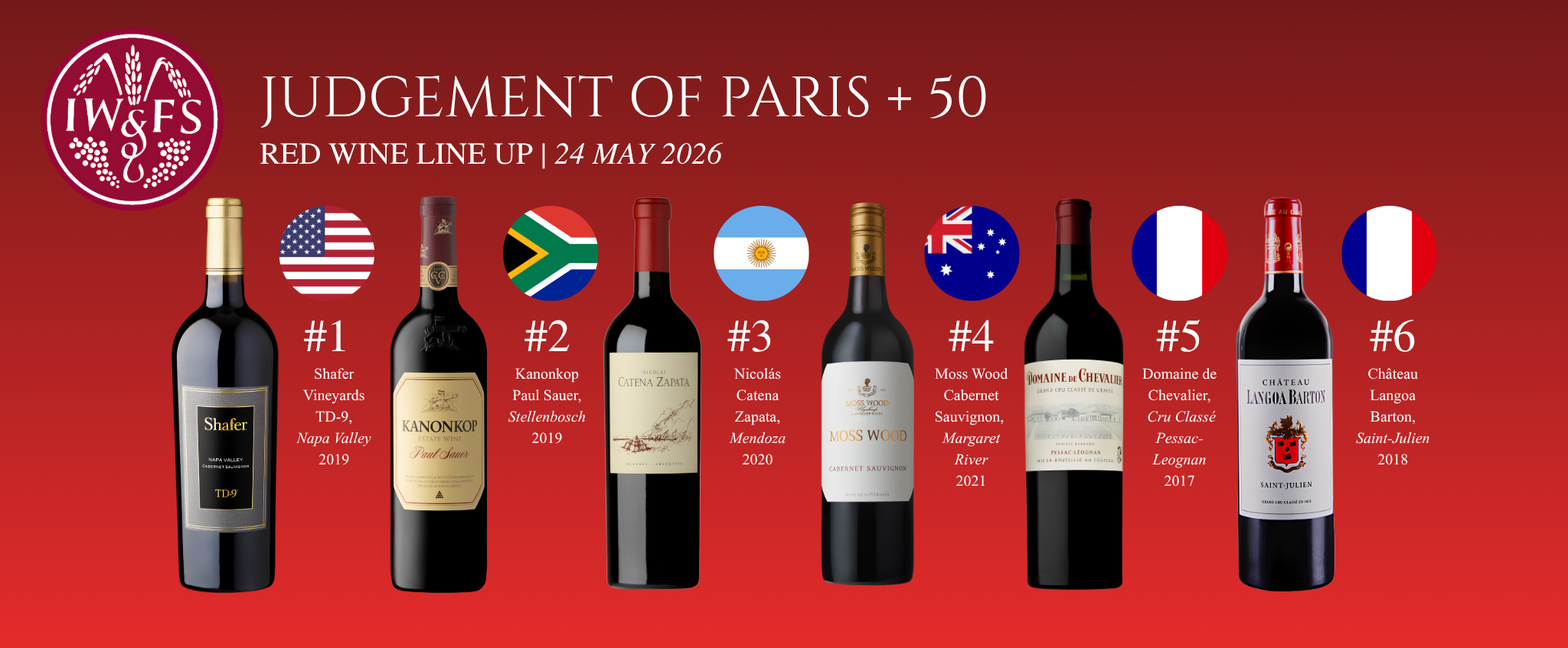
The red flight included:
- Domaine de Chevalier, Cru Classé Pessac-Léognan 2017 — France
- Château Langoa Barton, St Julien 2018 — France
- Shafer Vineyards TD-9, Napa Valley 2019 — USA
- Moss Wood Cabernet Sauvignon, Margaret River 2021 — Australia
- Nicolás Catena Zapata, Mendoza 2020 — Argentina
- Kanonkop Paul Sauer, Stellenbosch 2019 — South Africa
When the scores were aggregated across all venues, Shafer Vineyards TD-9 took first place in the red flight, and Kumeu River’s Coddington Chardonnay 2024 won the white. In the spirit of 1976, it echoed the initial revelation that great wine can come from anywhere. We extend our warmest congratulations to both producers.
Paul Sauer: The Wine Named After The Man
To understand what it meant to have a bottle on that table, it helps to understand the wine itself and the man whose name it bears.
Paul Sauer was a farmer before he was a politician. Born and raised in this valley, he grew up among the vines on the slopes of the Simonsberg long before Kanonkop existed in its current form. His belief in Stellenbosch and the quiet potential of South African wine formed part of the foundation on which generations of the Kanonkop family have continued to build. He passed away in 1976, the very year the Judgement of Paris opened the world’s eyes to what lay beyond France’s borders.
The wine that bears his name is Kanonkop’s flagship: a Bordeaux-style blend of Cabernet Sauvignon, Cabernet Franc, and Merlot, grown in the decomposed granite soils of the Simonsberg. It takes its time, typically spending 24 months maturing in new French oak before release and continuing to develop in the bottle for many years thereafter. It is made with the conviction that great things, tended carefully, reveal themselves fully over time. The Kanonkop Paul Sauer is the wine that has earned Kanonkop the reputation for being the South African equivalent of a First Growth.
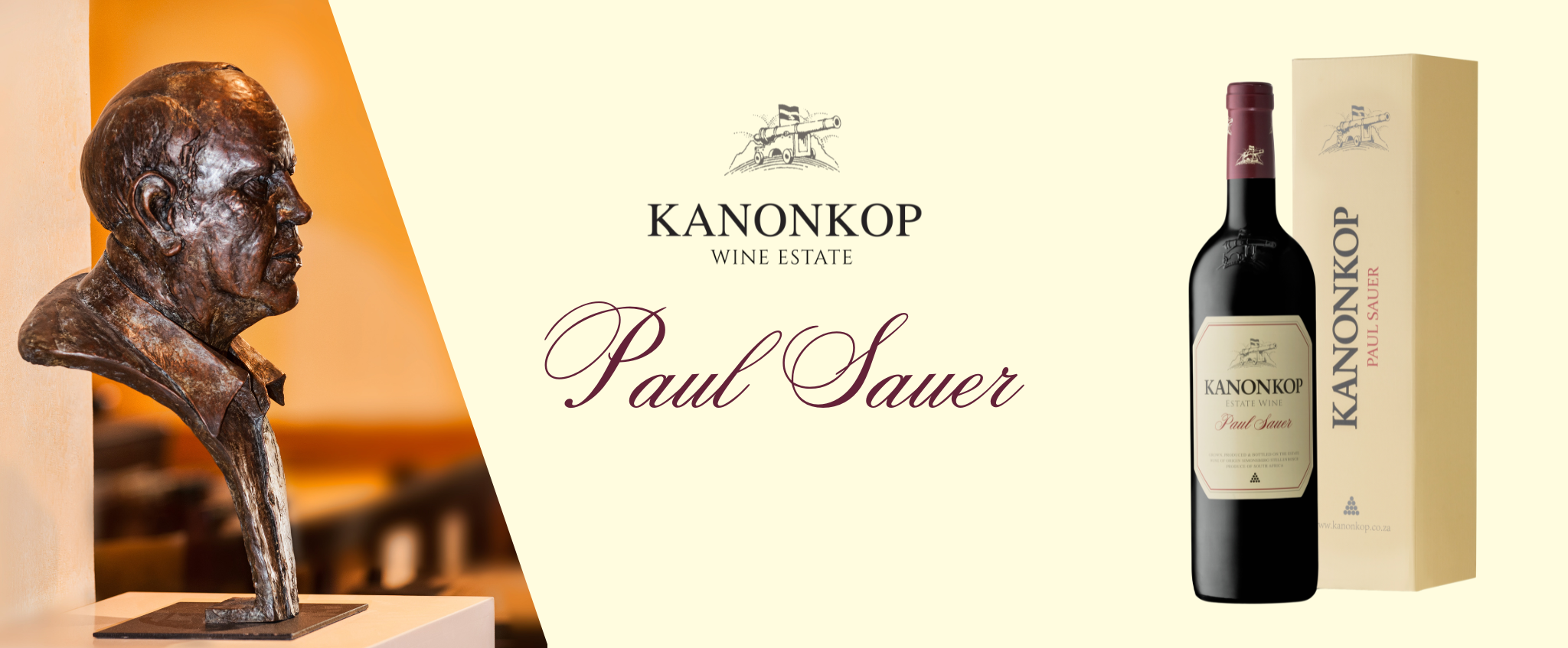
“A wine bearing my grandfather’s name being assessed on equal footing with some of the world’s most respected producers feels especially fitting. I believe that alone would have put a big smile on his face,” says Johann Krige, CEO and Propriator of Kanonkop Wine Estate.
The Paul Sauer 2019 placed second overall in the red flight, with an average score of 17.26 out of 20 across all venues and 36 individual top scores, second among the reds behind Shafer’s 43. In London, the flagship venue where Bella Spurrier herself participated, Paul Sauer scored the highest of all six reds.
This year marks fifty years since the Judgement of Paris changed the global wine conversation. It also marks fifty years since Paul Sauer’s passing. Both legacies, in different ways, endure.